Palacio de Bellas Artes, Mexico City: History, Architecture and Visitor Guide
An Architectural and Cultural Icon of Mexico City
Introduction
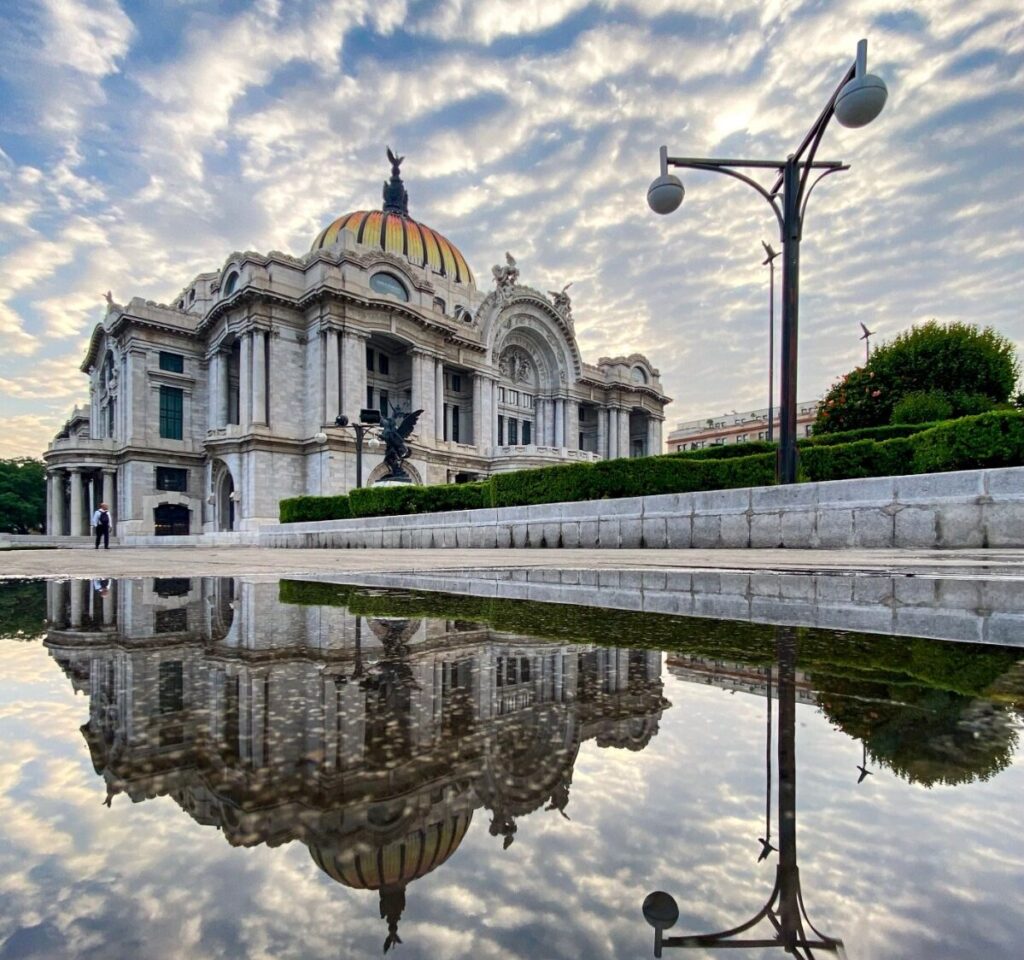
Located in the Historic Centre of Mexico City, Palacio de Bellas Artes is a major cultural institution known for its distinctive architecture, art collections and performing arts programme. Its white marble exterior and colourful domes make it one of the city’s most recognisable landmarks. The building serves as both a museum and a venue for opera, ballet, concerts and cultural exhibitions.
History and Background
Construction of Palacio de Bellas Artes began in 1904 under Italian architect Adamo Boari. Originally planned as Mexico City’s National Theatre, the project was interrupted by the Mexican Revolution and remained unfinished for several years.
In 1930, Mexican architect Federico Mariscal took charge of completing the building, introducing changes to its interior design. Palacio de Bellas Artes officially opened on 29 September 1934 and later became an important centre for Mexican art and cultural performances.
Architecture and Design
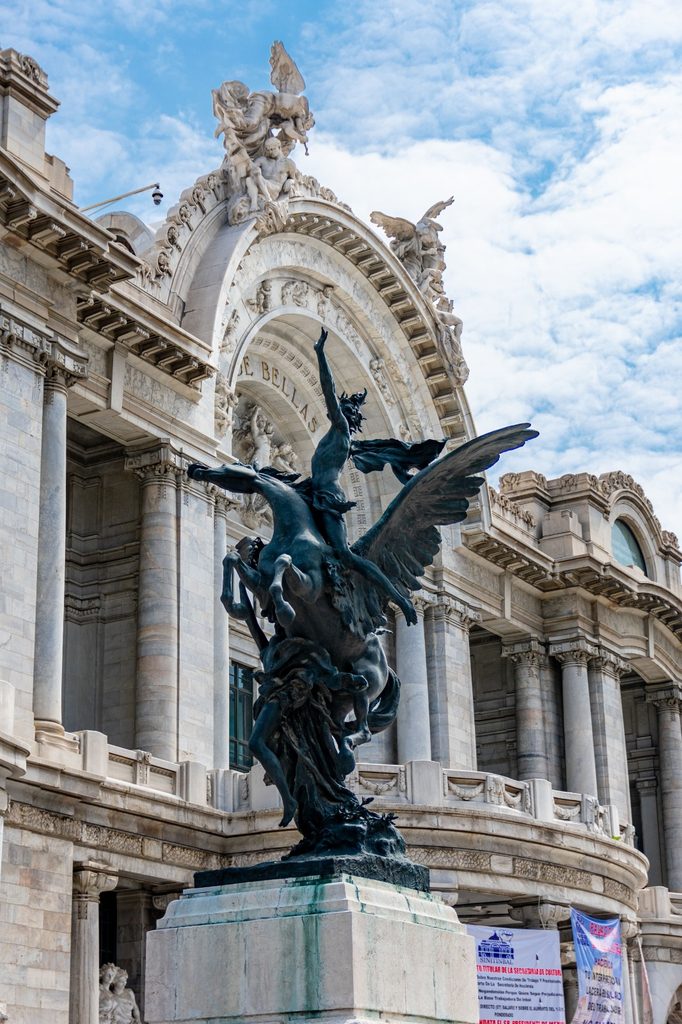
The building combines Art Nouveau influences on its exterior with Art Deco features throughout much of its interior.
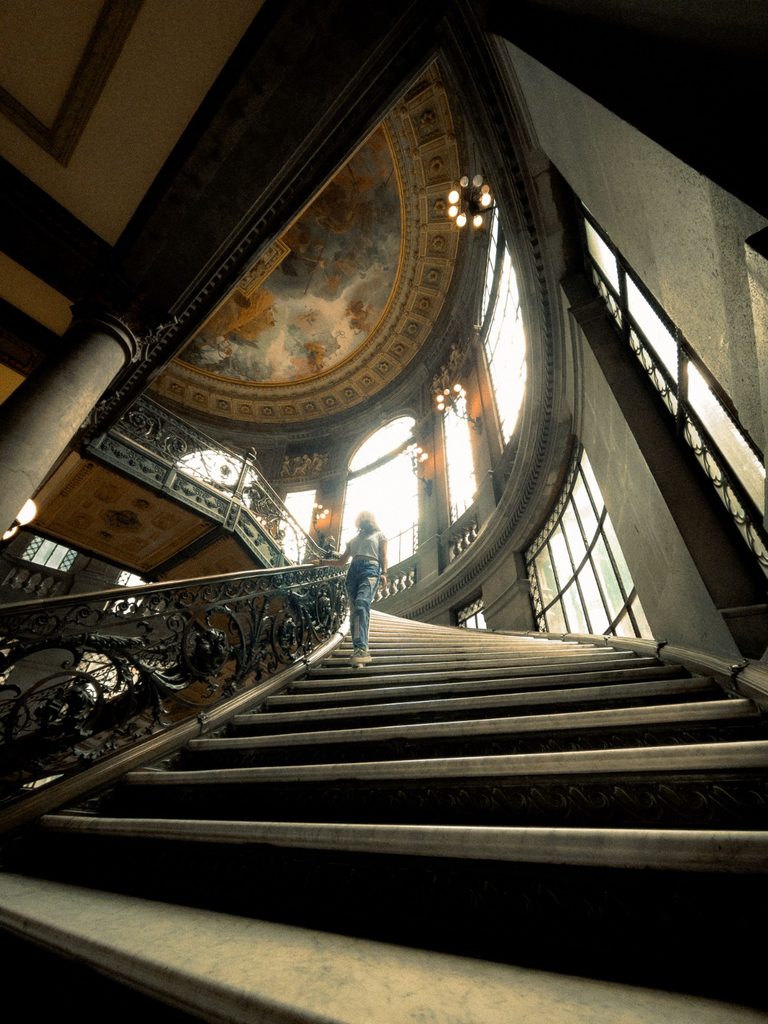
Its exterior is covered in white Carrara marble and features decorative sculptures and colourful domes. Inside, geometric patterns, marble surfaces and detailed ornamental elements reflect the Art Deco style.
The contrast between these architectural styles is one of the building’s most distinctive characteristics.
What to See Inside
Several architectural and artistic features make the interior worth exploring.
Tiffany Glass Curtain: Located in the main theatre, this glass curtain depicts the Mexican volcanoes Popocatépetl and Iztaccíhuatl.
Apollo and the Muses: A stained-glass ceiling designed by Géza Maróti, featuring Apollo and the nine Muses.
Main Theatre Hall: The principal performance space, recognised for its decorative interior and glass curtain.
Museum Galleries: Exhibition spaces displaying Mexican mural art and temporary collections.
Famous Murals and Artists
Palacio de Bellas Artes houses an important collection of Mexican mural art, with 17 murals by seven artists.
Notable artists represented include:
Diego Rivera: Known for El hombre controlador del universo, a mural exploring humanity, technology and social development.
José Clemente Orozco: His works address historical events and social issues.
David Alfaro Siqueiros: Recognised for murals featuring dynamic compositions and political themes.
Rufino Tamayo: Known for combining modern artistic techniques with Mexican cultural influences.
Jorge González Camarena: His work explores historical and cultural subjects.
Roberto Montenegro: An important contributor to modern Mexican muralism.
Manuel Rodríguez Lozano: Known for his figurative paintings and murals.
The collection provides insight into Mexico’s artistic development and the role of muralism in expressing national and social themes.
Performances and Cultural Events
The palace remains an active cultural venue, hosting opera, ballet, classical music concerts, theatre productions and exhibitions.
One of its recognised programmes features the Ballet Folklórico de México, which presents traditional dances and music from different regions of the country.
Visitors planning to attend a performance should consult the official event calendar, as schedules and ticket availability vary.
Nearby Attractions
Its central location makes it convenient to visit several other landmarks in Mexico City’s Historic Centre.
Alameda Central: A historic public park located directly opposite the palace.
Torre Latinoamericana: A prominent skyscraper offering panoramic views of the city.
Palacio Postal: A historic post office known for its elaborate architectural design.
Zócalo: The city’s principal square, surrounded by important historical buildings, including the Metropolitan Cathedral and National Palace.
Visitor Information
Palacio de Bellas Artes is located on Avenida Juárez in Mexico City’s Historic Centre. The museum is generally open from Tuesday to Sunday, between 10 AM and 6 PM, and remains closed on Mondays.
The nearest Metro station is Bellas Artes, served by Lines 2 and 8. Museum admission is separate from tickets for theatre performances, so visitors should check the official website for current ticket prices and schedules before visiting.
Best Time to Visit
Weekday mornings are a practical option for visitors who want time to explore the museum and its galleries. Sundays offer free museum admission according to the official listing, although visitor numbers may be higher. Those interested in performances should plan their visit around the scheduled programme.
A Landmark of Art and Heritage
Palacio de Bellas Artes brings together Mexico City’s architectural heritage, artistic traditions and cultural performances. Its historic murals and distinctive design make it an important destination for visitors interested in understanding the city’s cultural identity.